

How do you know if you can trust the information you find online?
Misleading health content
#EvidenceNotInfluence campaign
We have worked with The University of Sydney’s social media team, to try and address some of that misleading information, by offering evidence-based information. Academic presenters of our social media posts, include Dr Brooke Nickel, Dr Melody Taba, and Dr Josh Zadro, all from The University of Sydney.
Full-Body MRI for Healthy People
Professional radiology organisations in Australia, New Zealand and the United States do not recommend whole-body MRI screening for healthy people without symptoms. They note that there is currently no evidence of meaningful health benefits, while false positives, incidental findings and false reassurance may lead to unnecessary anxiety, additional testing, procedures and healthcare costs.
Anti-Müllerian Hormone (AMH) Testing for Fertility.
Leading reproductive health organisations and experts advise that AMH testing should not be used to predict fertility in women without fertility concerns. They note that AMH levels are not a reliable indicator of a woman's chances of conceiving, and routine testing may lead to misunderstanding or unnecessary concern about fertility. Evidence-based fertility information is available through trusted sources such as Your Fertility.
Testosterone Testing for Healthy Men
Leading endocrinology experts and guidelines do not recommend testosterone testing in healthy people without symptoms. They note that routine screening is unlikely to provide clinical benefit, and concerns have been raised about the overuse of testosterone treatment. Long-term testosterone therapy may also carry risks, including impaired fertility, balding and weight gain.

How to identify trustworthy information online
Watch these animated videos from the SHeLL research team.
Learn about the WHO-WHY-WHEN method and how it can help you determine whether online health information is reliable and trustworthy.
-
Trustworthy health information can be written by:
• Official health organisations such as: hospitals, medical institutions, recognised health charities (such as the Heart Foundation or Cancer Council), or government health websites.
• Individual experts with qualifications relevant to the topics they are writing about.
Consider trusting the information if:
1. If written by an individual expert, you can find out more about them online.
2. It is based on research done by many people or is provided by a team of experts.
3. It is clear where the information is coming from. For instance, the source might cite some research papers or refer to health service websites.
4. You can find the same information written by other expert individuals or relevant organisations. Meaning, you can cross-check it.
Be sceptical if:
1. You can’t find any information on the source.
2. The author is not qualified to provide health information on that topic.
3. It’s unclear where the information is coming from.
4. The information contradicts all current evidence.
5. The information is based on someone’s personal opinion only.
-
When seeking health information, it is important to always ask, why did they say it?
Can you identify the author’s goal or the purpose of the website? Make sure it is purely to educate or inform not to sell you something – whether it is a product or a point of view. Keep an eye out for any sponsors or disclaimers.
Sometimes there is a hidden agenda behind information on the internet.
Think critically when someone is recommending health treatments. Make sure they are in no way affiliated or sponsored by the brand they’re recommending.
-
For health information, it is important that the information is current and up to date. Identify when the resource was last updated or published. For example, look at the top or bottom of the home page for a website.
Information written in the last couple of years will be more relevant than information written 10 years ago. This is because the research may have changed.
If it is outdated information, you should try to find information that is more recent.
Note, in the case that the information is brand new and cutting-edge, there might not yet be other sources supporting it. Make sure you still ask yourself who said it and why.
Watch videos created by the SHeLL research team and Dr Jessica Stokes-Parish (Bond University).
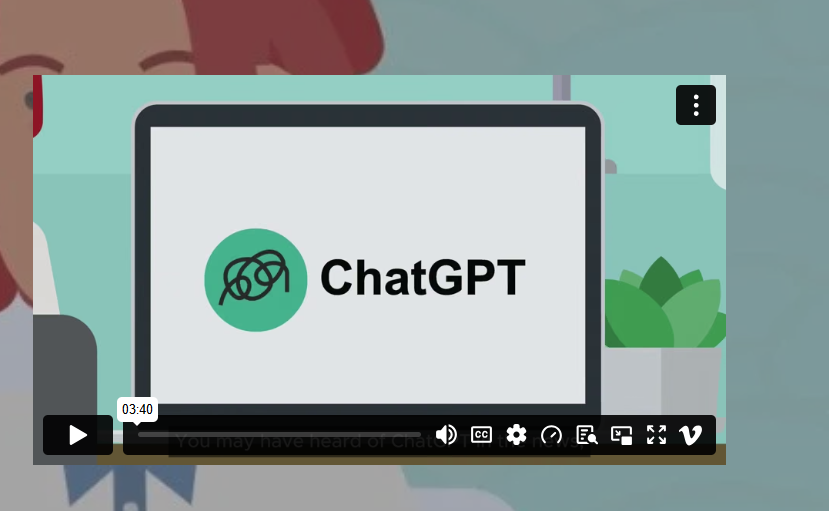
How to use ChatGPT safely for health
This guide is for anyone who would like to learn how to use ChatGPT safely for health questions.
It includes FAQs, tips and references for further reading.

This co-designed framework includes five recommendations for social media health communication for young people.
This guide is for anyone who wants to improve communicating to this priority group via social media platforms.